Industry News
Grounds staff urged to check local water restrictions as…



You can read our latest issue online anytime, anywhere. Enjoy instant access to fresh stories, insights, and features straight from your device, no downloads required.

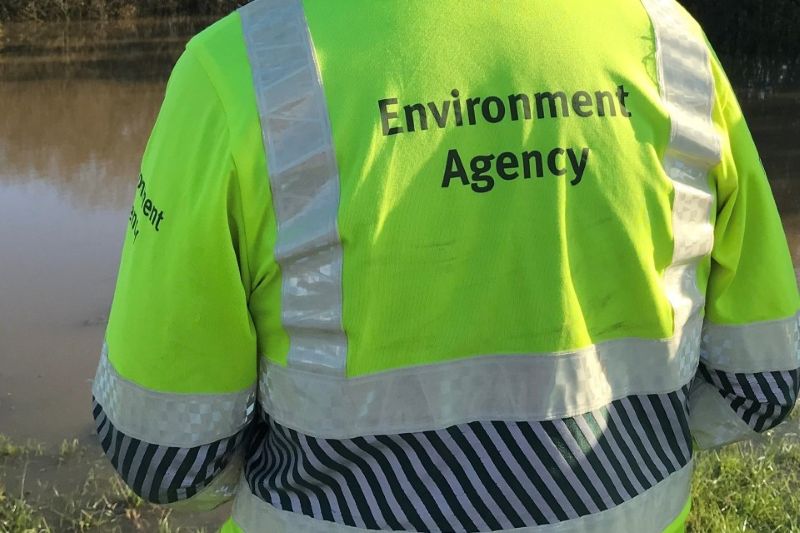
Half of England has been declared in drought by the Environment Agency.
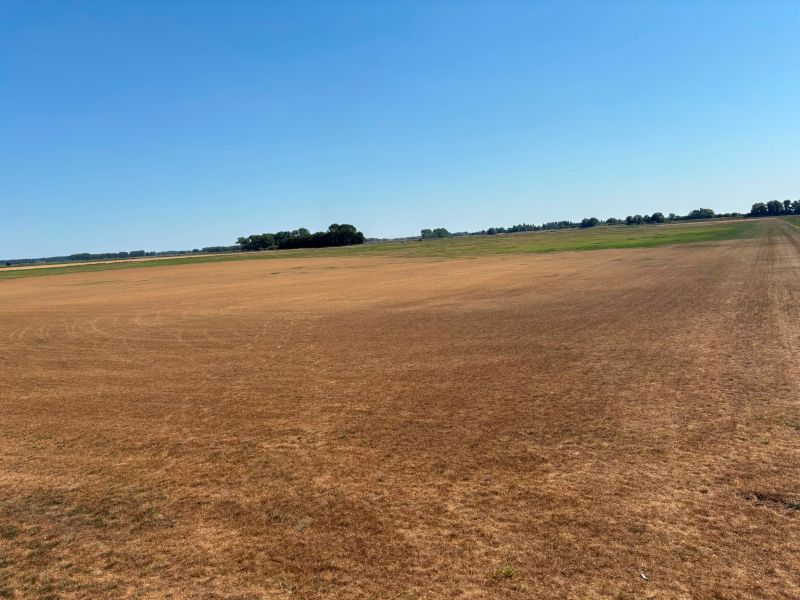
A large swathe of central, eastern, and southern England is now experiencing a flash drought – which develops very quickly brought about by a combination of very low rainfall and higher temperatures.
The seven areas in drought are:
The Environment Agency has again stepped up its operational response, including enhanced monitoring and controlling how much water can be taken from rivers and groundwaters.
Helen Wakeham, Director of Water at the Environment Agency and Chair of the National Drought Group, said: “The hot and dry weather means we are currently using water faster than nature can replenish it.
“A second consecutive summer drought is an exceptionally serious situation and one that will have long-lasting impacts on our environment, wildlife, and the economy.”
Representatives from the National Drought Group – which includes the Met Office, government, regulators, water companies, farmers, Canal & River Trust, anglers and conservation experts – held a dedicated drought briefing with Water Minister, Emma Hardy.
They reviewed impacts, preparedness, and drought response actions across England, with water companies being told to prioritise fixing leaks.
There is also additional engagement with key groups, such as farmers and water companies, and cross-government work to secure supplies into the autumn.
Water Minister Emma Hardy said: “Our climate is changing, droughts are becoming increasingly common, and we need to be prepared for this new normal.
“We’re delivering long-term change in the water industry and driving record investments in infrastructure, including nine new reservoirs.
“We expect water companies to follow their drought plans, to go further and faster to reduce leaks, and to ensure supplies are not disrupted even in the driest of weather.”
The current drought now means there have been three droughts in the past five years – 2022, 2025 and now 2026.
There has been a dramatic shift in our weather this year – from a very wet winter to an exceptionally hot and dry summer.
The winter rainfall helped replenish reservoirs and groundwater, helping us through a dry spring without any major impacts.
However, the summer has continued to be exceptionally hot and dry. July has seen just 7% of expected rainfall, falling to 1% across southern England – and there is no substantial rain on the way.
Combined with three heatwaves, including 12 consecutive days of temperatures above 30C, our water storage has begun to deplete. The higher temperatures also mean water is evaporating from soils and vegetation, making wildfires more likely.
A fourth heatwave is under way, and the UK Health Security Agency (UKHSA) has issued amber alerts for the East Midlands, East of England, London, and the South East.
Met Office Chief Meteorologist, Will Lang, said: “The warm and exceptionally dry conditions experienced across much of England over recent months are continuing to have a significant impact. Many areas have received very little or no rainfall throughout July, extending a period of below-average rainfall that has persisted across parts of the country since spring.
“While there are indications of occasional unsettled spells during the first part of August, bringing the chance of rain to some locations, there is currently little sign of the widespread, sustained rainfall that would be needed to make a significant difference to the areas most affected by the dry weather.
“The Met Office continues to work closely with the Environment Agency and partners across the water sector, providing expert meteorological information and forecasts to support drought monitoring, planning and response activities.”
Alongside seven areas in drought, these areas are now in prolonged dry weather:
Just Yorkshire and the North East remain in normal status, with the situation under close review.
Drought status extended across all of Wales
With very little rainfall and sustained high temperatures over the last week, conditions across Wales’ natural environment have continued to deteriorate.
As a result, Natural Resources Wales (NRW) has confirmed that it is extending its drought declaration across the whole of Wales.
Updated figures show that Wales has received just 8% of its long-term average rainfall for July. As a result, this month is on course to be the driest July in Wales since records began 190 years ago.
The majority of rivers across Wales are exceptionally low, including the Rivers Clwyd, Dyfi, Alyn, Clywedog, Dyfi, Conwy, Cleddau, Cothi, Teifi, Wye and Usk.
Groundwater levels continue to regress across Wales, with some also lower than expected for the time of year.
NRW teams are dealing with increasing reports of wide-reaching impacts to the environment, land and on agricultural activities. This includes reports of drying riverbeds, fish in distress, algal blooms, continued wildfire risk and concerns from the agricultural community about crop growth, grazing conditions and water availability for livestock.
Regulation releases, including compensation releases, are being made to support river systems, abstraction and the environment. Additional reservoir releases to these are being made in some locations to support river ecosystems and fisheries, while abstraction controls and drought response measures continue to be implemented in line with NRW’s Drought Plan.
Rhian Thomas, Sustainable Water and Nature Manager at NRW, said: “The intensity of the heat and the exceptional lack of rainfall means this is a rapidly changing picture in Wales. Our teams are closely monitoring forecasts and river flows and responding to increasing environmental concerns and incidents across Wales.
“The toll on the environment, our land and agriculture is clear to see, with many of our teams still dealing with the aftermath of extensive wildfires which have devastated forestry, grassland and special habitats.
“With no strong indications for notable rainfall in the forecasts, and risks of further heatwaves over the summer, it’s more important than ever that we all use water wisely. Every drop we waste is less water for our rivers and wildlife when they need it the most.”
‘Drought’ is declared by NRW when a combination of indicators show a significant shortage of rainfall and water availability, resulting in impacts on rivers, groundwater, ecosystems, agriculture and land management. Water companies have their own triggers and drought definitions for public water supply.
NRW drought teams continue to meet regularly and have increased environmental monitoring across Wales.
© Copyright 2026. All rights reserved.