Industry News
Major partners launch nationwide study into golf’s water resilience…




You can read our latest issue online anytime, anywhere. Enjoy instant access to fresh stories, insights, and features straight from your device, no downloads required.

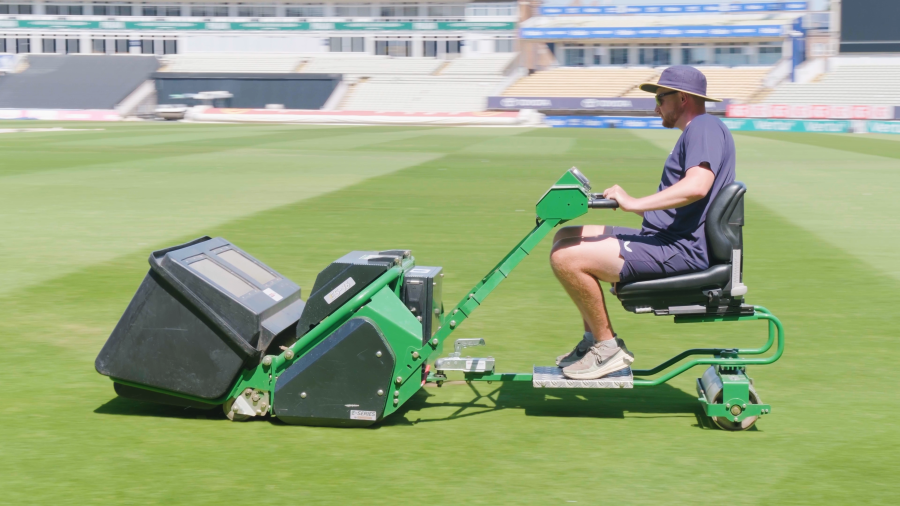
From preparing the square and maintaining the outfield to upgrading facilities and replacing ageing machinery, investment is essential for grassroots cricket clubs, but finding the money can be difficult, particularly for clubs relying heavily on volunteers. Fortunately, grants for sports clubs are available for those who know how to access the funding, as Scott Reynolds, Key Account Manager at Dennis, explains.
It’s no secret that times are hard for grassroots cricket. Rising overheads, shortages of skilled groundspeople, and extreme weather are making it harder than ever to maintain a pristine outfield and square, though groundspeople rightly haven’t let these factors lower their standards.
While those running grassroots clubs might not have the budget of their peers at Lords or Edgbaston, there are still routes through which they can revamp their facilities and access world-class equipment. However, England and Wales Cricket Board (ECB) funding spans a variety of categories and ranges anywhere from £1,000 up to £1,000,000, so it’s important to understand the options available.
Grass Pitch Improvement Fund
One of the most popular sources of grant funding for sports clubs, the Grass Pitch Improvement Fund (GPIF) originally opened for applications in Summer 2024, but closed in Autumn 2025 due to exceptional demand. However, the ECB recently announced that the fund would reopen for a short window, from 28 September 2026 to 30 November 2026.
The GPIF aims to provide improved access to high-quality, safe playing facilities through targeted investment in three areas:
To apply, clubs will need to contact their local County Cricket Board or Cricket Foundation and arrange for a County Pitch Adviser (CPA) to conduct a site visit and assess the Performance Quality Standard (PQS) of their pitch. Crucially, only PQS ‘unsuitable’ and ‘basic’ sites will be eligible for the GPIF. Pitches rated ‘good’, ‘advanced’ or ‘high’ can still receive funding through the Interest Free Loan scheme, which will be covered in more detail later on.
The amount of funding awarded will be determined by the ECB on a case-by-case basis, though no minimum level of partnership funding is required. Given the scheme’s initial popularity, demand is again expected to exceed the funding available during the new window. For this reason, priority will be given to high-impact projects that can be contracted by 31 March 2027 and delivered within the same year. Priority will also be given to applications which support cricket for the following groups:
Tackling Climate Change Fund
Another popular fund which exceeded its initial allocation but has now reopened, the Tackling Climate Change Fund (TCCF) allows ECB-affiliated clubs to become more sustainable and reduce operating costs with grants of between £1,000 and £15,000. The Fund is now open again until 30 November 2026, though like all funds, it reserves the right to close early if all funding is allocated, so getting your application in early is key.
The TCCF is an excellent opportunity for clubs to invest in a number of measures that can help future-proof their site against the effects of climate change, including:
Clubs must choose one project theme and structure their application around this, so building a strong case is paramount to success here. As with the GPIF, demand is expected to exceed the funding available, so clubs should consider easily deliverable, high-impact investments.
Building Belonging in Cricket Fund
Launched in June 2026, the Building Belonging in Cricket Fund (BBiCF) is a £45 million scheme that aims to build upon the success of the GPIF by supporting projects which benefit women and girls, disabled participants, ethnically diverse communities, and people with lower incomes. Grants of between £50,000 and £1,000,000 are anticipated, though may be outside of this range in exceptional circumstances.
Unlike other funds, potential projects for the BBiCF are not sourced by an open application process, but rather through regional Recreational Cricket Boards (RCBs) based on need. Interested clubs must first contact their local RCB to discuss potential projects, and then allow them to initiate the application process.
Projects that may be considered eligible include:
This fund is unlikely to be one that most clubs consider due to being handled directly through local RCBs, though clubs are encouraged to raise potential projects with their RCB if they have scope to deliver substantial community impact.
County Grants Fund
The County Grants Fund (CGF) aims to support ECB-affiliated clubs which are actively engaged with women’s cricket, girls’ cricket, or disability cricket, by creating welcoming environments or providing enhanced playing or changing facilities. Naturally, precedence will be given to clubs that already have established sections for these categories, or clubs that participate in the below ECB programmes:
Unfortunately, the CGF is now closed for 2026. However, like many of the other schemes outlined here, it’s likely that will reopen at some point in 2027, so clubs should keep an eye on this space if this scheme is a good fit for them.

Interest Free Loan Scheme
Perhaps the most straightforward option, the Interest Free Loan Scheme (IFLS) allows clubs to invest in a wide variety of improvements by way of a lump-sum payment. The maximum size of the grant awarded by the ECB varies depending on the category, though all loans require a minimum of 10% partnership funding, and maintain a maximum repayment period of five years:
Of all schemes, the IFLS offers the broadest scope for investment, though applications must once again be structured around one theme only:
It should be recognised that this is not an exhaustive list, and that England and Wales Cricket Trust will consider other eligible projects themes, provided that they meet the charitable objectives of the organisation.
Which grant should you apply for?
Clearly, there are many different forms of grant funding for sports clubs – so how should you decide which to apply for?
Armed with this broad overview, clubs should now review the entry criteria of any grant that has caught their interest in full. Preparing an application can be a time-consuming process, so it’s important to ensure that all of the facts are present, and that the club is fully eligible to apply, from the outset.
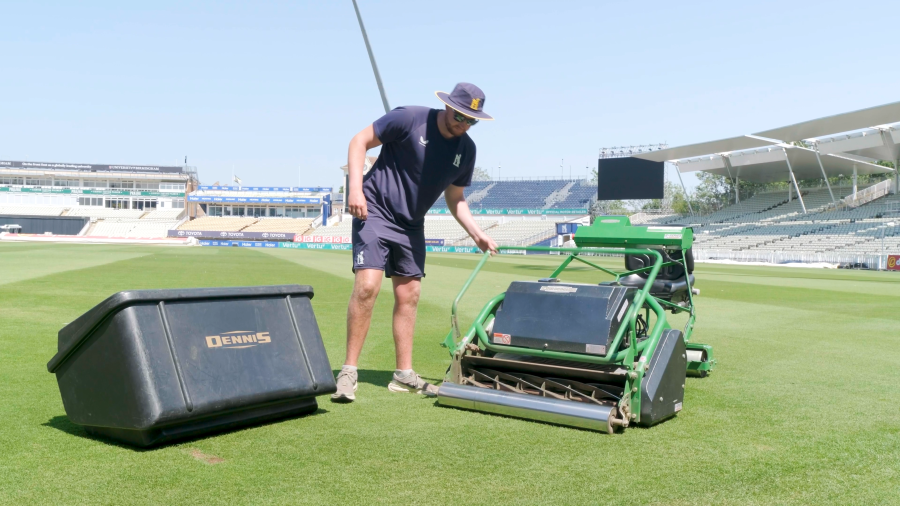
From here, consider the investment you aim to make and the funds required, and work backwards from this point. For instance, if it’s a cricket pitch mower you want to purchase, then the GPIF, TCCF, and IFLS are all good fits, though each possesses strengths and weaknesses. The GPIF offers a full grant but is highly competitive, while the TCCF only offers up to 25% of the total cost. On the other hand, the IFLS is not a straight grant, but is nonetheless a highly effective method of making a large purchase like an electric cylinder mower more accessible.
Ultimately, it’s important to consider the unique needs of your club when making this decision. Crucially, highlighting how quickly the investment can be realised, as well as the impact it will deliver, is the key to beating off the competition and ensuring that your application is a success.
Start your application today by creating a user account and organisation on the ECB’s Investment Management System (IMS), or find out more about the Dennis E-Series.
© Copyright 2026. All rights reserved.